The City of the Rooster
Morón is a Cuban city located in Ciego de Ávila province, in the central region of the island. Popularly known as "the city of the rooster," Morón is famous for its history, musical culture, lagoons, and the warmth of its people — the moroneros.
The term "moronero" refers to people originally from Morón or who identify with the city. Moroneros are recognized for their local pride, festive spirit, and deep connection to the cultural and musical traditions of the region.
The city is home to the famous Mechanical Rooster, a replica of the rooster that gives the city its name, and has produced important artists, musicians, and personalities who have carried the name of Morón across Cuba and the world.
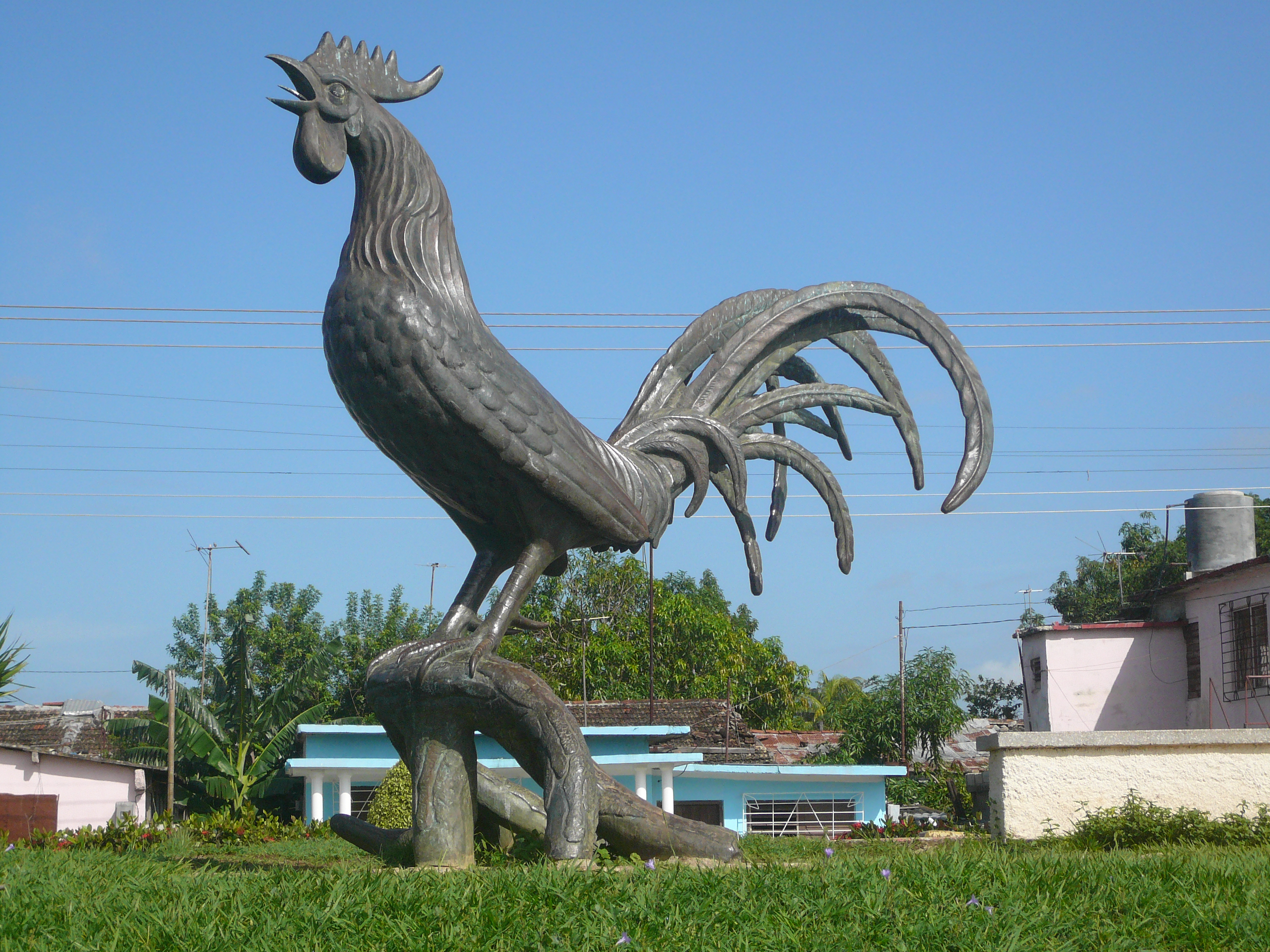
The Gallo de Morón — the city's historic and cultural symbol. Photo: Wikimedia Commons (CC BY-SA)

Laguna de la Leche — Cuba's largest saltwater lagoon, located north of Morón. Photo: Wikimedia Commons (CC BY-SA)

Downtown Morón, Ciego de Ávila. Photo: Wikimedia Commons (CC BY-SA)
History of Morón
Morón remains an important cultural and economic hub in central Cuba. Moroneros keep their traditions and civic pride alive, both on the island and throughout the Cuban diaspora.
The Cuban Revolution transforms life in Morón. The city develops with new schools, hospitals, and infrastructure. The railway and tourism begin to play important roles in the local economy.
With Cuba's independence from Spain, Morón integrates into the new republic. The city grows as a commercial and agricultural center in the island's interior, driven by the sugar industry.
Morón is consolidated as a municipality and regional center. The nickname "the rooster of Morón" is already in popular circulation, tied to the story of a despotic governor expelled from town amid mockery and song.
Morón de la Frontera is founded in Spain, and its name is later carried to Cuba by Spanish settlers. The Cuban town inherits the name and builds its own identity over the centuries.
Moronero Pride
The Mechanical Rooster
An icon of the city, the Mechanical Rooster crows three times a day in the main square. It embodies moronero identity and is a symbol of local pride recognized across all of Cuba.
Laguna de la Leche
Cuba's largest saltwater lagoon, located north of Morón. Its milky-white waters and flocks of pink flamingos make it a unique natural destination in the Caribbean.
Musical Tradition
Morón has produced musicians and artists who have enriched Cuban culture. Cuban son, punto guajiro, and other genres have deep roots in the city's musical tradition.
Gastronomy
Morón's cuisine reflects the best of Cuba's inland culinary tradition: roast pork, arroz con pollo, tamales, and creole sweets that form part of the region's cultural identity.
Diaspora
Thousands of moroneros live outside Cuba, particularly in Miami and other U.S. cities. They keep their love for their hometown alive through cultural associations and community celebrations.
Cayo Coco
The famous resort area of Cayo Coco — known internationally for its white sand beaches and turquoise waters — belongs to the municipality of Morón, a source of great pride for moroneros.
"To be a moronero is to carry in your soul the crow of the rooster, the blue of the lagoons, and the warmth of a land you never forget."